
Clause and effect
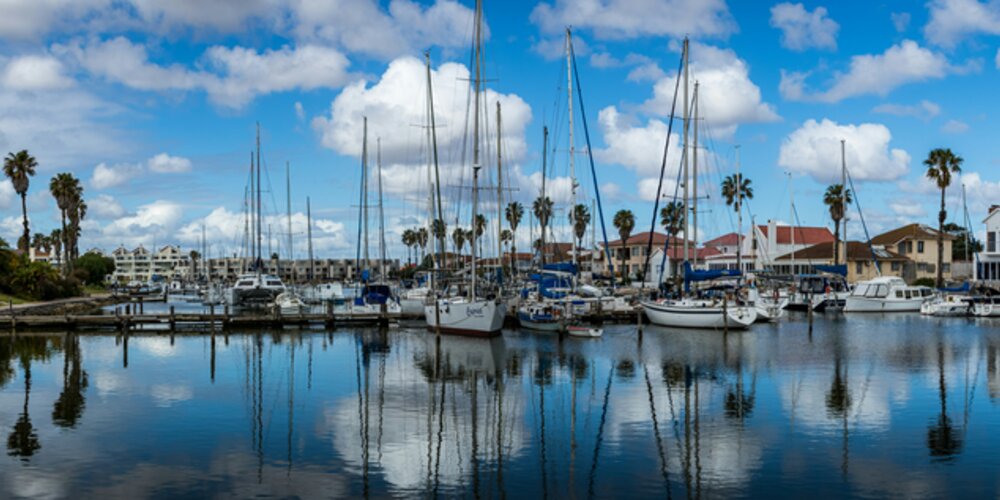
A naval architect was contracted to design a small mooring system for a nearby marina. The project was completed and the mooring installed, but during a period of strong tidal flow, the mooring failed. It snapped and drifted, colliding with several nearby ships causing damage. A claim was subsequently brought against the naval architect for over US$80,000.
ITIC appointed local lawyers to assist in the defence. During the review, it was confirmed that the naval architect had required their client to sign a set of terms and conditions before any work commenced. These terms proved critical to the outcome of the case.
One clause stated that the architect’s liability would be discharged after 12 months. The mooring had been designed in 2016 and the claim was brought in 2023, well outside the liability window. Another clause excluded responsibility for loss or damage to equipment or items placed with the mooring system.
Based on these contractual protections, ITIC successfully argued that the naval architect bore no liability for the incident. The claim was dismissed, and only a small legal fee was incurred in the process which ITIC covered.
Naval architects should ensure that they operate under robust terms and conditions. Clearly defined liability limits and exclusions can be instrumental in protecting professionals from long-tail claims and unforeseen liabilities.
- Date
- 30/10/2025