
Simulated losses
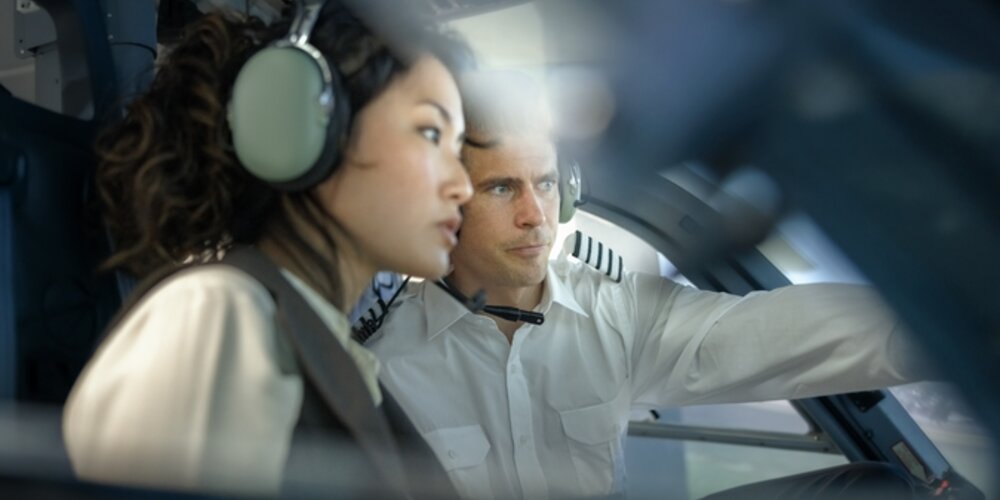
An Approved Training Organisation (ATO), who was insured by ITIC, specialised in type rating training for commercial pilots. They were contracted by a business jet fleet manager to provide training for their existing pilots as the fleet manager had recently added two new aircraft to their charter fleet and required pilots to obtain the appropriate type rating to operate the new aircraft.
The ATO delivered a course that included ground school and simulator sessions, and advertised the program as fully compliant with the relevant national aviation authority (NAA) requirements for licence endorsement. However, upon submission of the pilots’ paperwork to the NAA, the fleet manager was informed by the NAA that the simulator used was not approved for the specific aircraft type. As a result, the training was deemed invalid, and the pilots were required to retake the simulator training using an approved simulator.
This led to a delay in the aircraft entering commercial service, as no qualified crew were available. The aircraft owners subsequently submitted a claim against the fleet manager for loss of charter revenue, citing the delay in aircraft availability.
The fleet manager, in turn, indemnified the owners and initiated legal proceedings against the ATO, alleging negligent misrepresentation of the course’s regulatory compliance. The claim included US$211,000 in lost charter revenue (based on an estimated US$53,000 per aircraft per week over a two-week delay) and US$32,000 in additional training costs. They also included a claim for US$33,000 in respect of reputational harm and loss of goodwill with clients, giving a total claimed amount of US$276,000.
Upon investigation, it was confirmed that the ATO had misinterpreted the simulator’s approval scope and failed to verify its suitability. However, the claim for lost revenue was partially discounted, as the fleet manager could not provide evidence of confirmed charter bookings during the affected period.
The matter was ultimately settled out of court for US$138,000, representing 50% of the claimed lost revenue (US$106,000) and full reimbursement of additional training costs (US$32,000). No payment was made for reputational harm due to lack of quantifiable evidence.
- Date
- 30/06/2026